Case Study · Product Design · Platform UX
Designing a high-trust data platform for complex, multi-state workflows
A product redesign for high-volume, high-stakes workflows which focused on clarity, decision support, and scalable operational trust.
→ $463M projected cost reduction over 5 years
→ Used across 53 U.S. states & territories
→ Reduced ambiguity in critical decision workflows
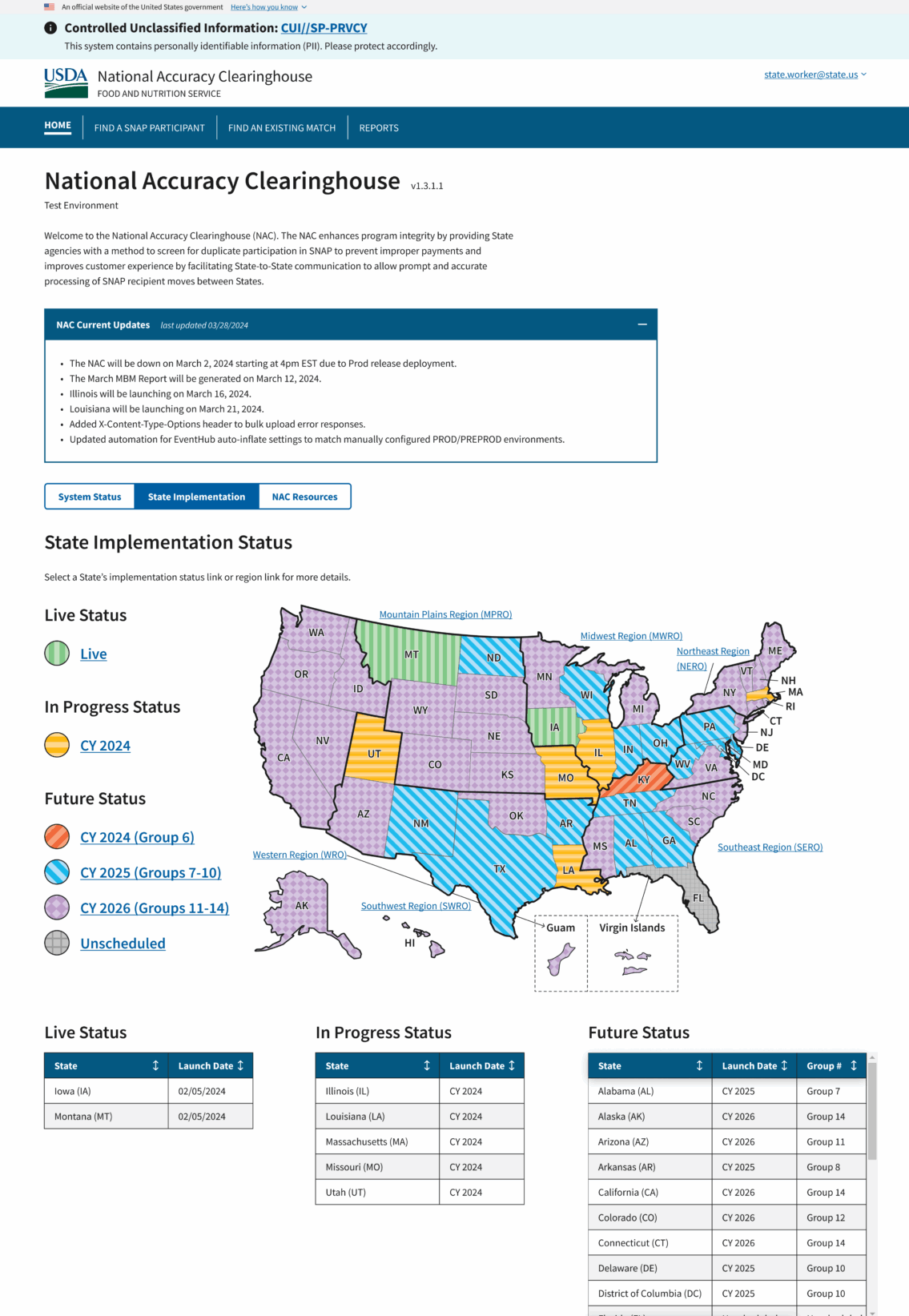
Why this mattered
Turning fragmented workflows into a trusted system
Organizations relied on fragmented, manual workflows to detect duplicate enrollments across systems. This slowed investigations, introduced errors, and reduced confidence in high-stakes decisions.
The opportunity was to unify these workflows into a single platform ecosystem. A product that could scale across multiple states & territories while helping users move faster and make better decisions.
My role
Leading product design from ambiguity to direction
As Design Lead, I owned UX and UI strategy from discovery through launch. I partnered closely with research, engineering, and stakeholders to define the product direction and create scalable patterns for a complex system.
Focus areas
→ Aligning stakeholders around a shared product vision
→ Driving research-informed design decisions
→ Establishing a scalable design foundation
→ Reducing friction in high-frequency, high-stakes workflows
Key product decisions
The design moves that changed the product
Task-first design
Structured the experience around what users needed to do, not just the data available.
Impact: Reduced cognitive load and improved completion clarity.
Role-specific workflows
Created tailored flows for distinct user types with different goals, permissions, and query behaviors.
Impact: Increased efficiency and reduced friction across critical tasks.
Clear data separation
Separated editable actions from reference content to reduce confusion during high-stakes workflows.
Impact: Reduced errors and improved decision confidence.
Transformation moment
A structural redesign, not a cosmetic one
Before
- Mixed editable and read-only information
- Weak hierarchy across critical data
- Nearly 80% failure rate in testing
After
- Clear separation of actions vs reference data
- Improved hierarchy and readability
- Guided workflows supporting decision-making
→ Faster decisions, improved clarity, and significantly higher user confidence
Product experience
Designed to support better decisions at every step
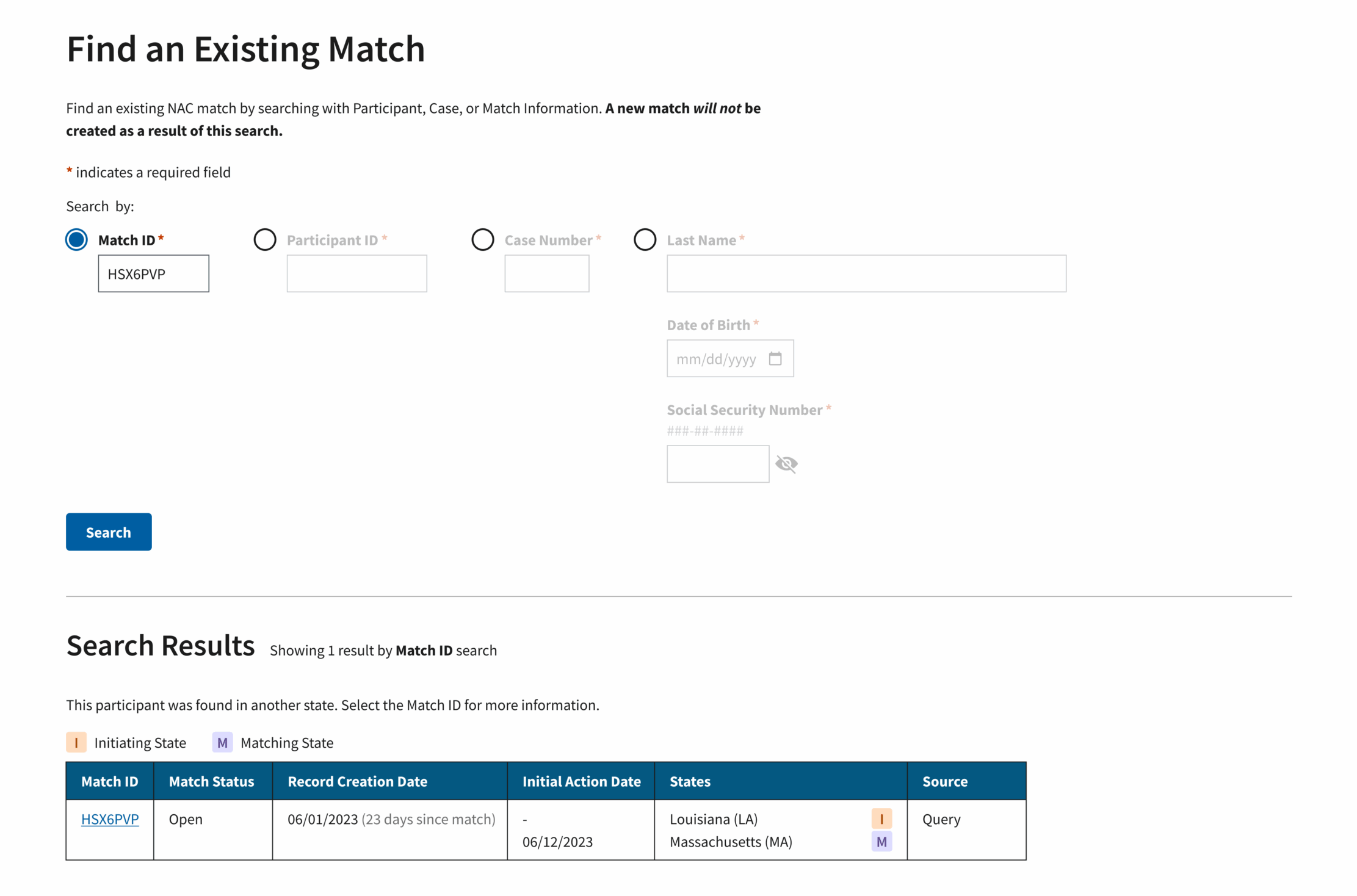
Query experience
→ Reduced friction in high-frequency tasks
→ Structured for faster input and clearer next steps
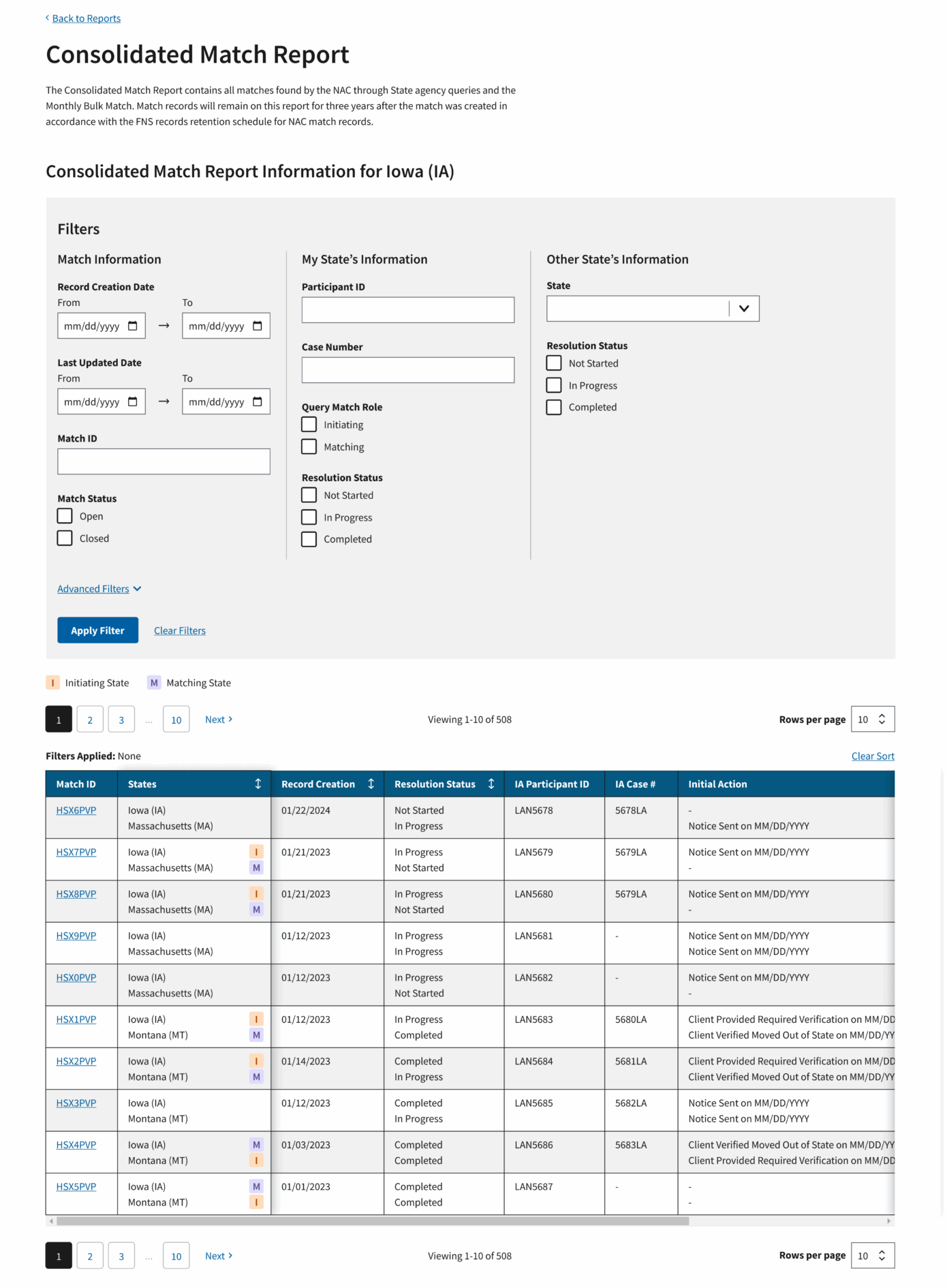
Match report
→ Prioritized actionable information over raw data density
→ Improved speed and confidence when identifying critical matches
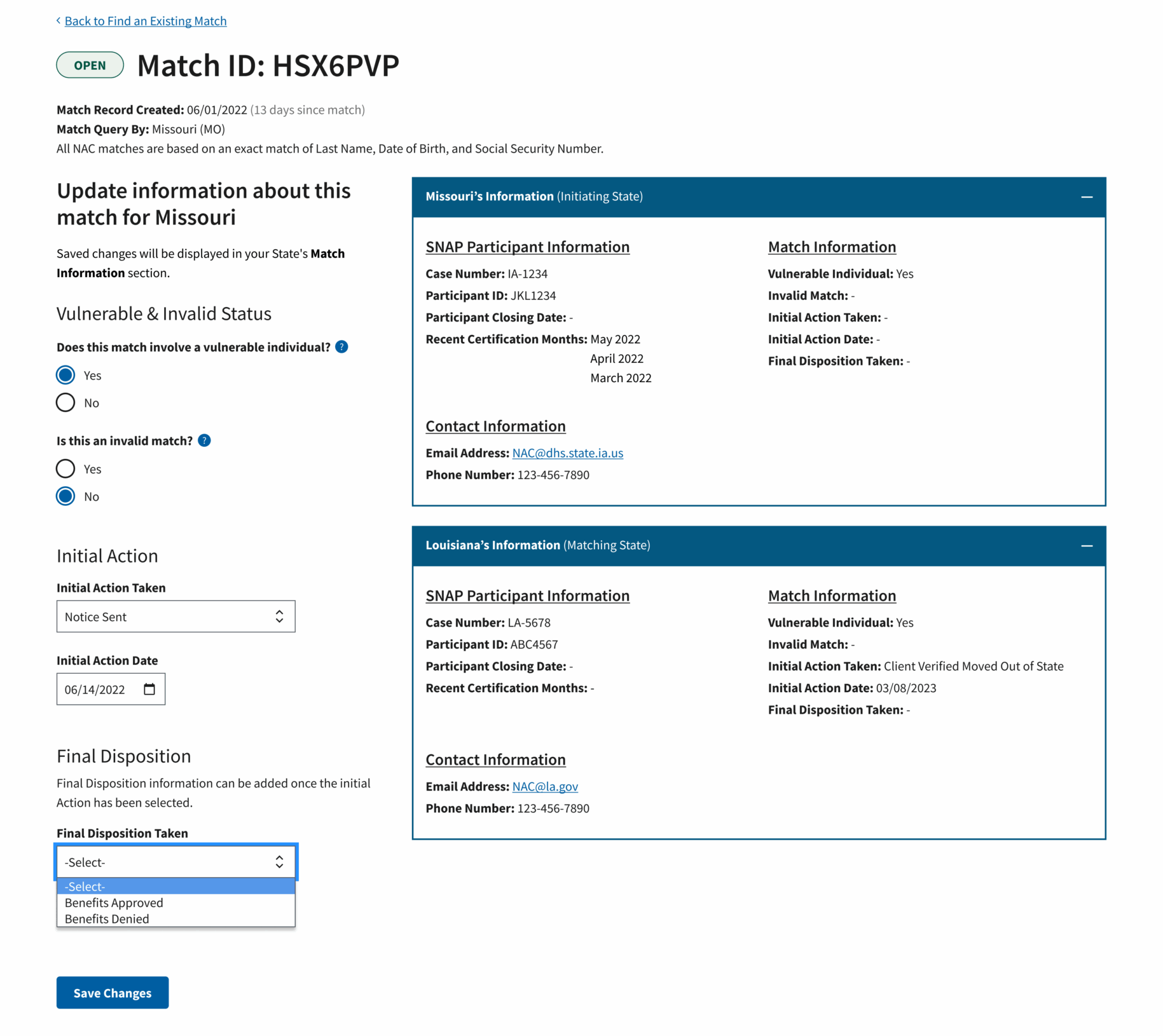
Match details
→ Separated decision-making actions from supporting data
→ Reduced errors in one of the product’s most important workflows
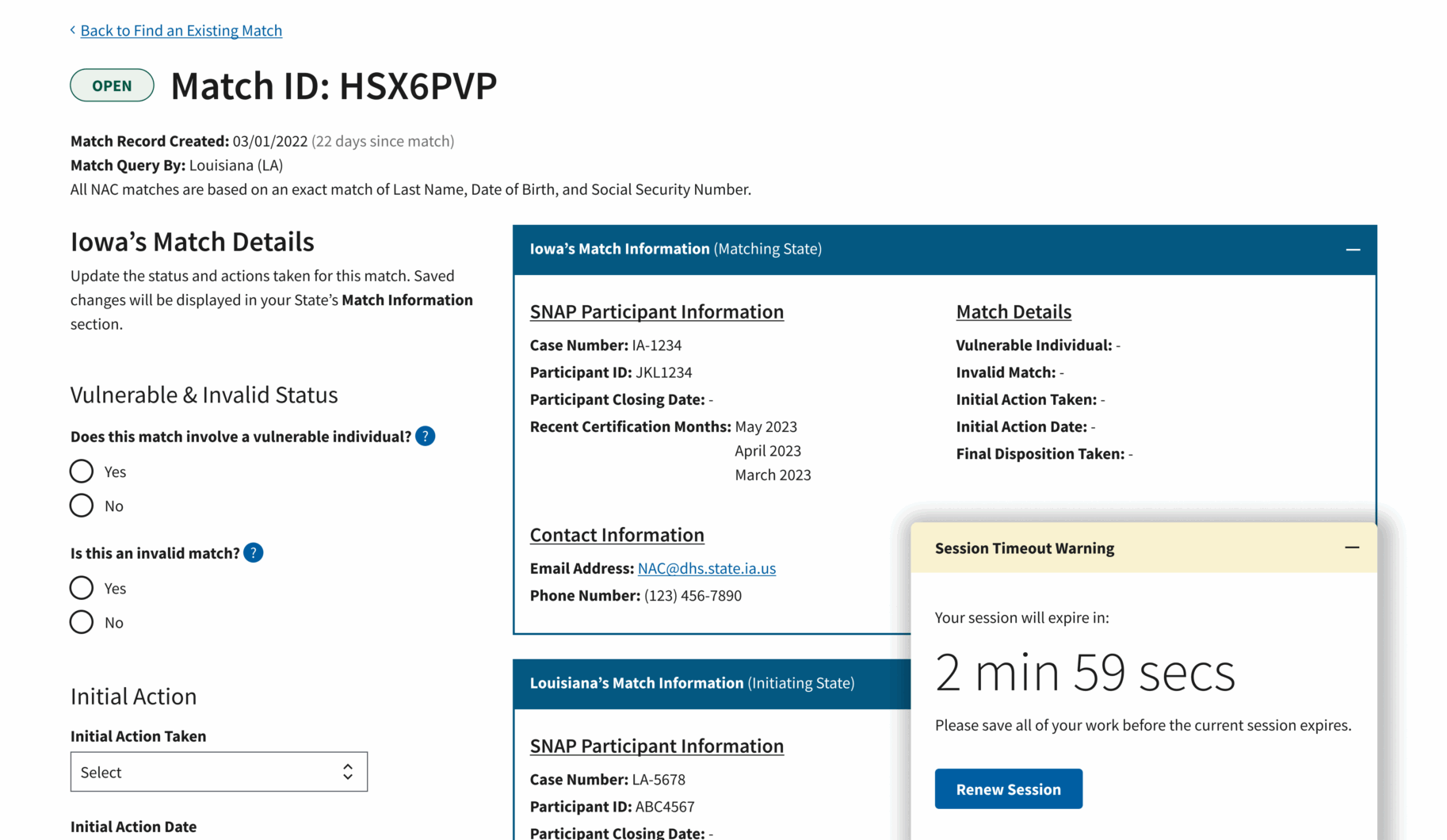
System feedback & alerts
→ Improved visibility of system state and user progress
→ Increased trust and prevented avoidable workflow disruption
Designing for scale
Thousands of users. Multiple workflows. High-stakes decisions.
The platform needed to feel clear, trustworthy, and usable across jurisdictions with different processes, constraints, and operational realities.
Research & validation
Testing the structure, not just the screens
I partnered closely with UX research to validate key workflows using interactive prototypes and Think Aloud sessions.
Key insights
→ Users needed guidance, not more data
→ Complexity increased errors and slowed decisions
→ Clear hierarchy improved confidence and speed
Leadership & influence
Shifting the team away from raw-data thinking
Stakeholders initially favored exposing more raw data within the interface. Through testing and synthesis, I demonstrated how that approach increased confusion and error rates.
Outcome
→ Shifted product direction toward guided workflows
→ Built trust in UX as a strategic function
→ Improved alignment across product and engineering
Impact
$463M projected impact
Reduced friction in complex operational workflows
Improved clarity in high-stakes decisions
Established a scalable foundation for future product evolution
What I’d do next
Where this could go from here
I’d focus on AI-assisted prioritization of high-risk cases, pattern detection to surface likely conflicts faster, and smarter in-workflow guidance to support better decisions with less effort.