
Case Study · Product Design · Enterprise Systems
Redesigning a complex enterprise system through information architecture and workflow clarity
Simplifying fragmented systems by aligning structure with user mental models and enabling scalable workflows.
→ Reduced navigation complexity
→ Improved workflow clarity across modules
→ Established scalable system structure
Why this mattered
From fragmented systems to a cohesive experience
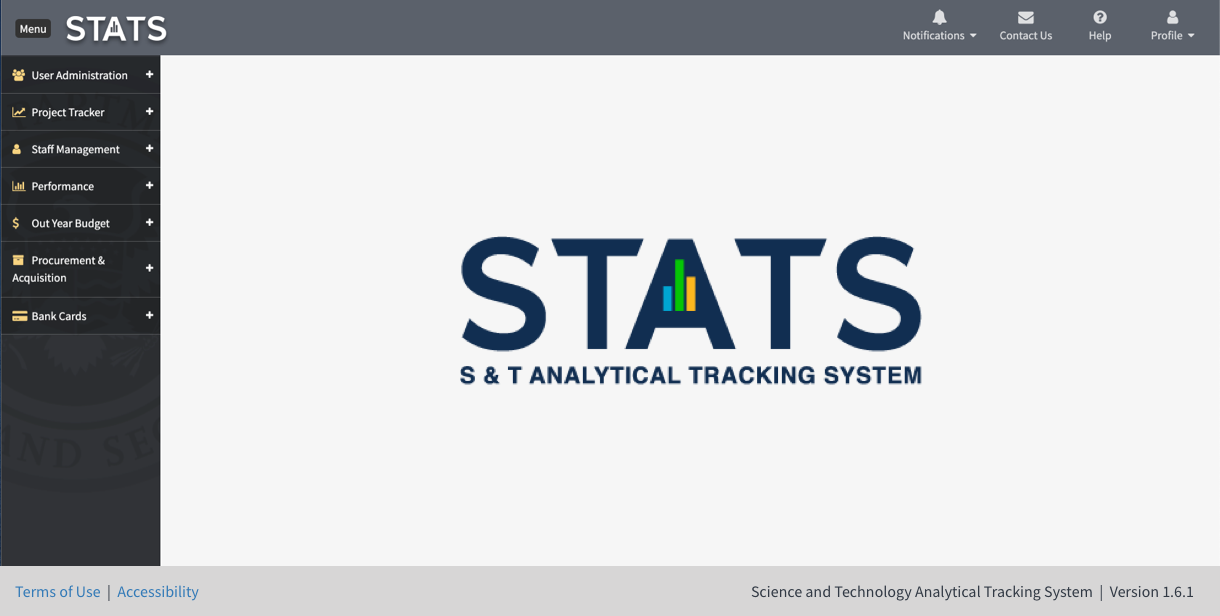
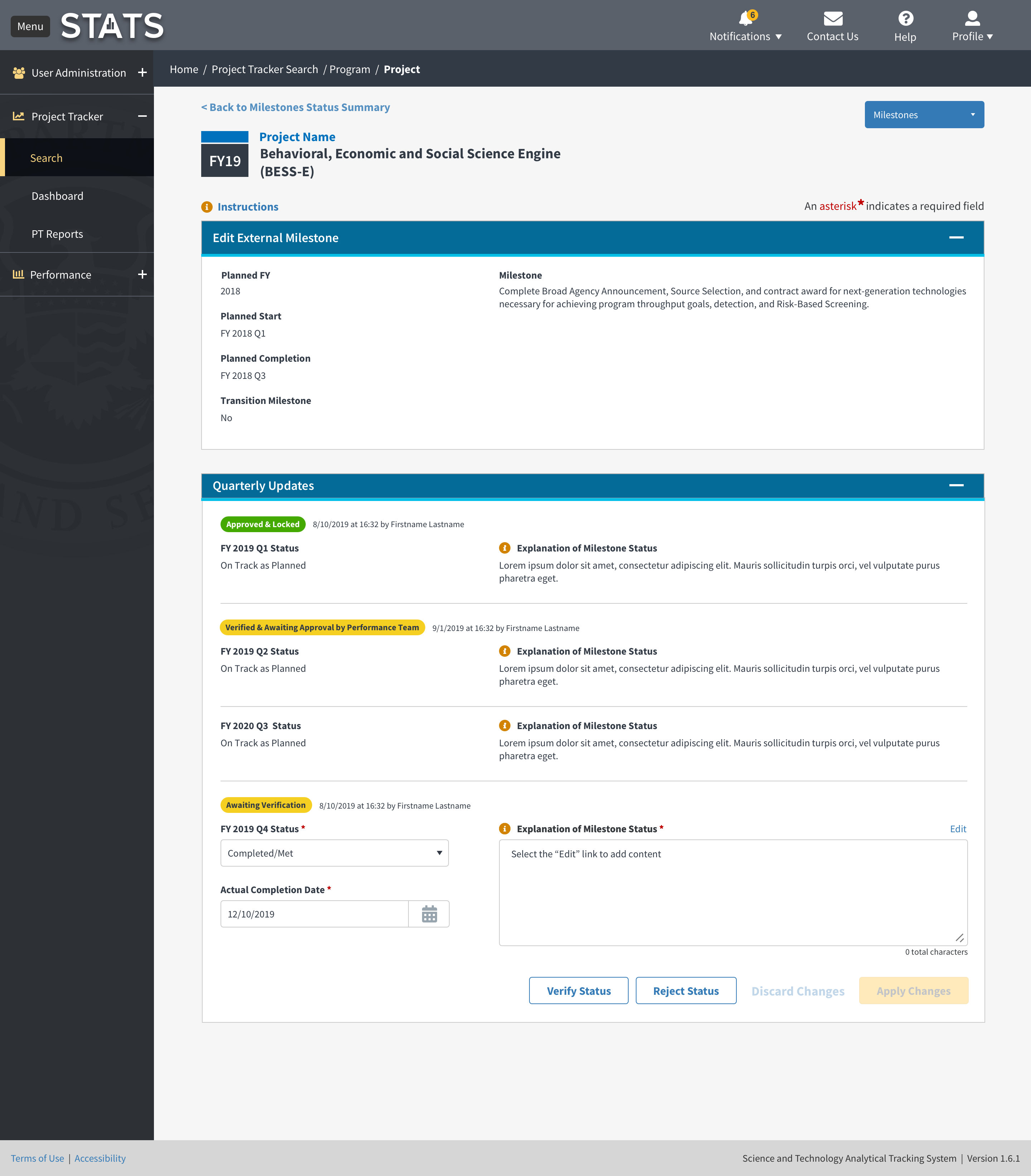
The system had evolved into disconnected tools and workflows. Users struggled to understand where to go, how tasks connected, and how to work efficiently across modules.
The opportunity was not just redesigning screens, but rethinking the structure of the system itself.
My role
Leading system-level design and alignment
As Design Lead, I drove the UX strategy with a focus on information architecture, workflow clarity, and scalable system design. I worked closely with stakeholders, researchers, and engineering to move the team from fragmented thinking to a cohesive product vision.
Focus areas
→ Information architecture redesign
→ Workflow mapping across modules
→ Stakeholder alignment and decision-making
→ Research-informed structural changes
→ Scalable design patterns
The real problem
The challenge wasn’t UI. It was structure.
Early conversations revealed that the biggest issues weren’t visual. Navigation didn’t reflect how users actually worked, related tasks were split across disconnected modules, and users had to rely on memory instead of system guidance.
Solving this required rethinking how the system was organized, not just how it looked.
Key product decisions
The structural decisions that reshaped the product
Workflow-based structure
Reorganized the system around user tasks instead of underlying system logic.
Impact: Reduced cognitive load.
Information architecture redesign
Created a clearer hierarchy across navigation, modules, and task groupings.
Impact: Faster navigation.
Consolidated experiences
Unified fragmented workflows into more cohesive, understandable experiences.
Impact: Improved efficiency.
Transformation moment
From disconnected tools to a unified system
Before
- Fragmented navigation
- Disconnected modules
- No clear workflow continuity
- High reliance on user memory
After
- Clear, structured navigation
- Logical grouping of features
- Connected workflows across tasks
- System supports user decision-making
→ A system users could understand, navigate, and trust
Designing the system structure
Information architecture as the core product move
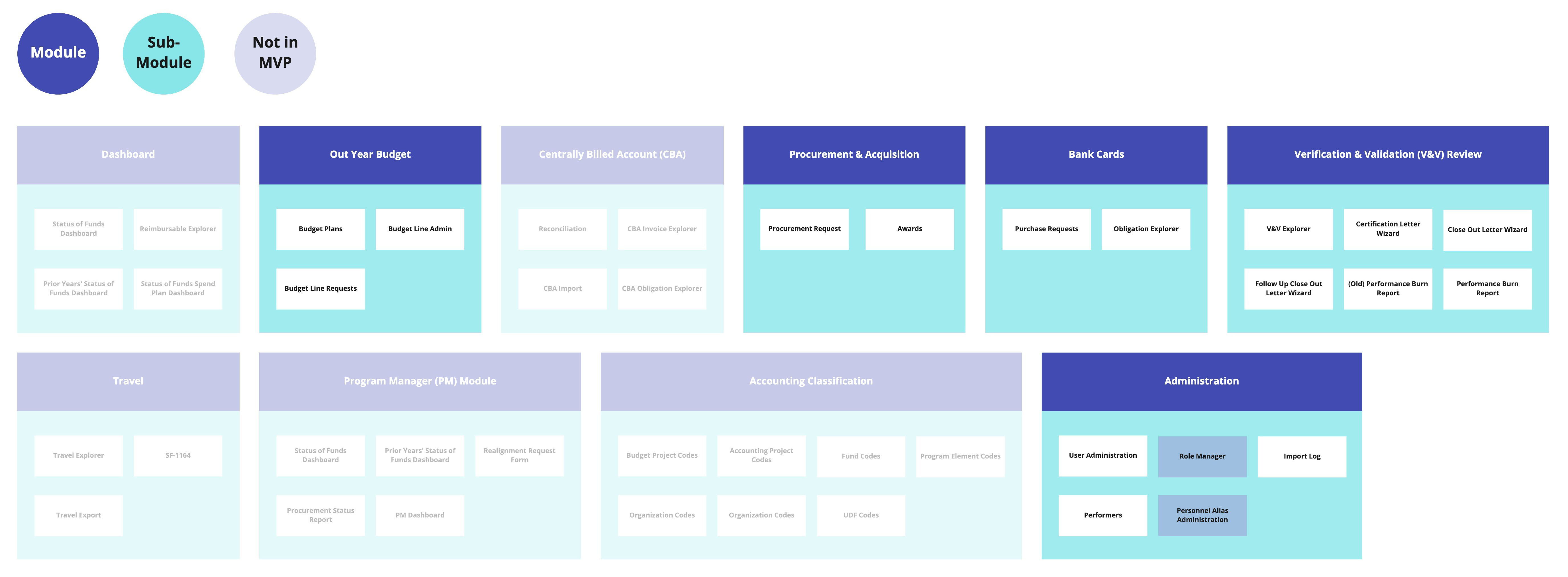
Mapped the current system and designed a clearer architecture aligned to user workflows and mental models.
This work included defining clearer groupings, improving hierarchy, mapping relationships between modules, and reducing structural redundancy across the experience.
Product experience
Bringing structure into the interface
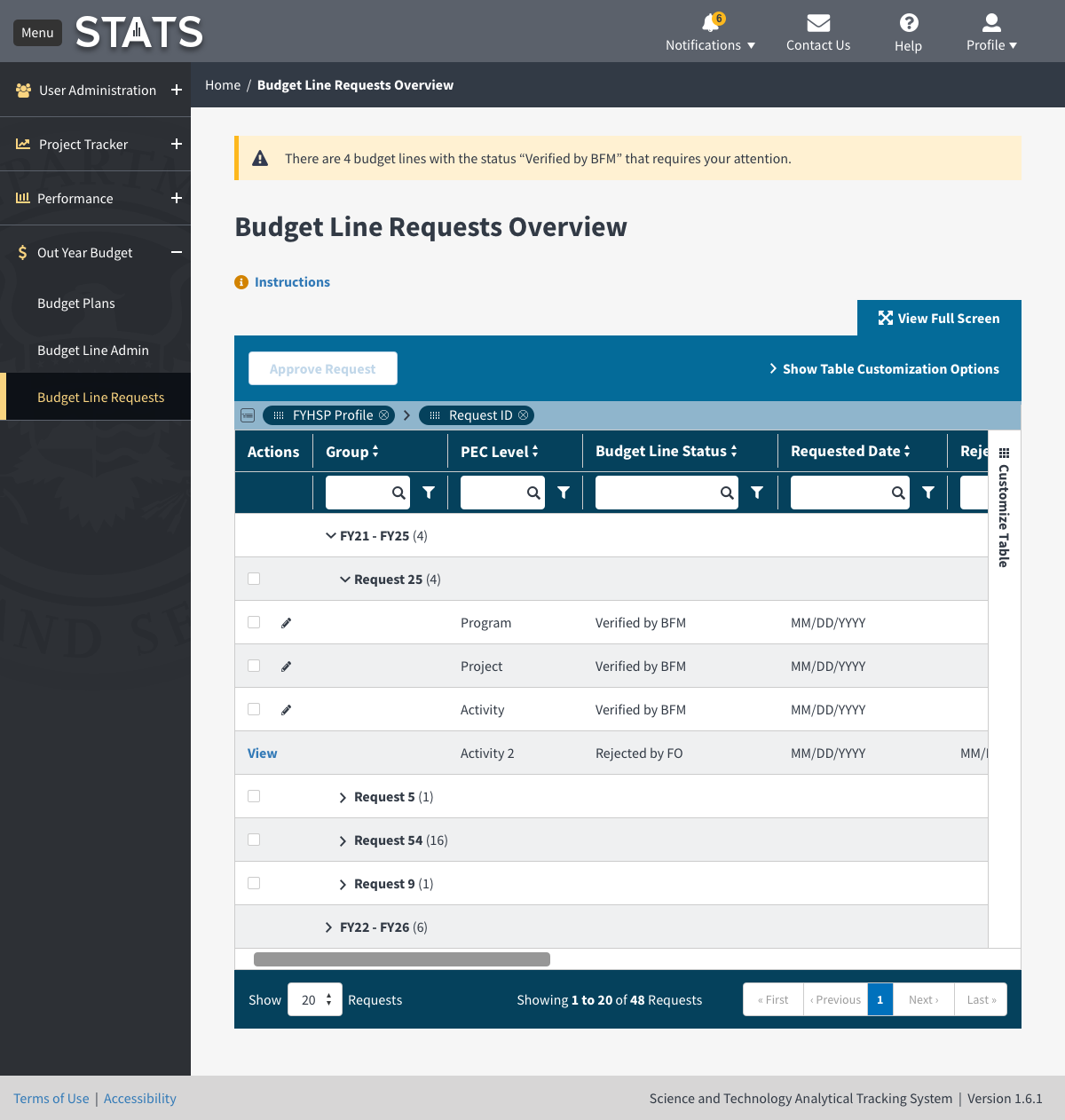
Navigation system
→ Reflects user mental model
→ Reduces time spent searching for the right task or destination
Workflow screens
→ Connected previously fragmented tasks
→ Brought continuity to multi-step enterprise workflows
Designing for complexity at scale
Supporting multiple teams, workflows, and evolving requirements while maintaining clarity.
Research & validation
Validating structure with users
I worked closely with UX research to test navigation, structure, and workflows, not just visual designs.
Key insights
→ Users struggled with system mental model
→ Structure mattered more than visual polish
→ Clear grouping dramatically improved usability
Leadership & influence
Driving alignment across teams
A major part of this work was helping stakeholders move away from feature-based thinking toward system-level design, aligning teams around a shared structural vision.
Outcome
→ Aligned teams around a shared structure
→ Built confidence in UX-led decisions
→ Improved collaboration across product and engineering
Impact
A stronger foundation for the product
Improved navigation clarity
Reduced workflow complexity
Better alignment between system and user mental models
Established scalable system foundation
What I’d do next
Where this could go from here
Next steps would focus on adaptive navigation based on user roles, continued simplification of complex processes, and stronger guidance across cross-module tasks.